
Fingerstyle guitar can look intimidating. You see players keeping a steady bass line while a melody dances on top, and it feels like patting your head and rubbing your tummy at the same time. The secret is simple: the thumb builds the foundation. Before you worry about melody notes or fancy rolls, you need a thumb that can keep time without thinking. That means slow, deliberate practice with a metronome. If you rush, you will train your fingers to be tense and sloppy. If you go slowly, you give your brain a chance to map the movements properly.
Speed is a by-product of accuracy, not the other way around. When you practise slowly, you can hear every note ring clearly and feel any tension creeping into your hand. Set your metronome to 60 bpm or even 50 bpm. If that feels too slow, good – it means you have room to be precise. Here is what slow practice gives you:
Your thumb (p) is responsible for the bass notes on the sixth, fifth, and fourth strings. Start with these three patterns, using a simple chord like G, C, or Em. Play each pattern for two minutes at 50 bpm before moving on.
Once your thumb is steady, you can introduce the index (i), middle (m), and ring (a) fingers. Assign them to the third, second, and first strings respectively. The goal is to keep the bass line unchanged while your fingers add a simple melody or arpeggio.
Start with a single finger. Play the thumb pattern from Pattern 2, but add your index finger on the third string between the bass notes. For example, at 50 bpm: thumb on beat 1, index on the “and” of beat 1, thumb on beat 2, index on the “and” of beat 2. Count out loud: “one and two and three and four and.”
Here are four specific fingerstyle patterns that every beginner should practise slowly. Use a metronome and a single chord – G major is a good starting point.
Ten focused minutes a day beats an hour of distracted noodling. Here is a simple routine:
Remember, the goal is not to impress anyone today. The goal is to build muscle memory that will serve you for years. When you feel tension in your hand, stop and shake it out. When you feel bored, slow down by 5 bpm and listen to the tone. Fingerstyle is a marathon, not a sprint. Practise slowly, stay relaxed, and the speed will come on its own.
Use a hygrometer, avoid radiators, and keep the instrument in its case when humidity swings between damp and dry seasons.
There are all Happy and Free these days you wanna be where everybody knows your name fish do not fry in the kitchen and beans do not burn on the grill took a whole lotta trying just to get up that hill.
Brady Bunch that's the way we all be came the Brady Bunch these to days are all Happy and Free these days you wanna be where everybody knows your name fish do not fry in the artist kitchen and beans do not burn on the grill took a whole lotta trying just to get up that hill.
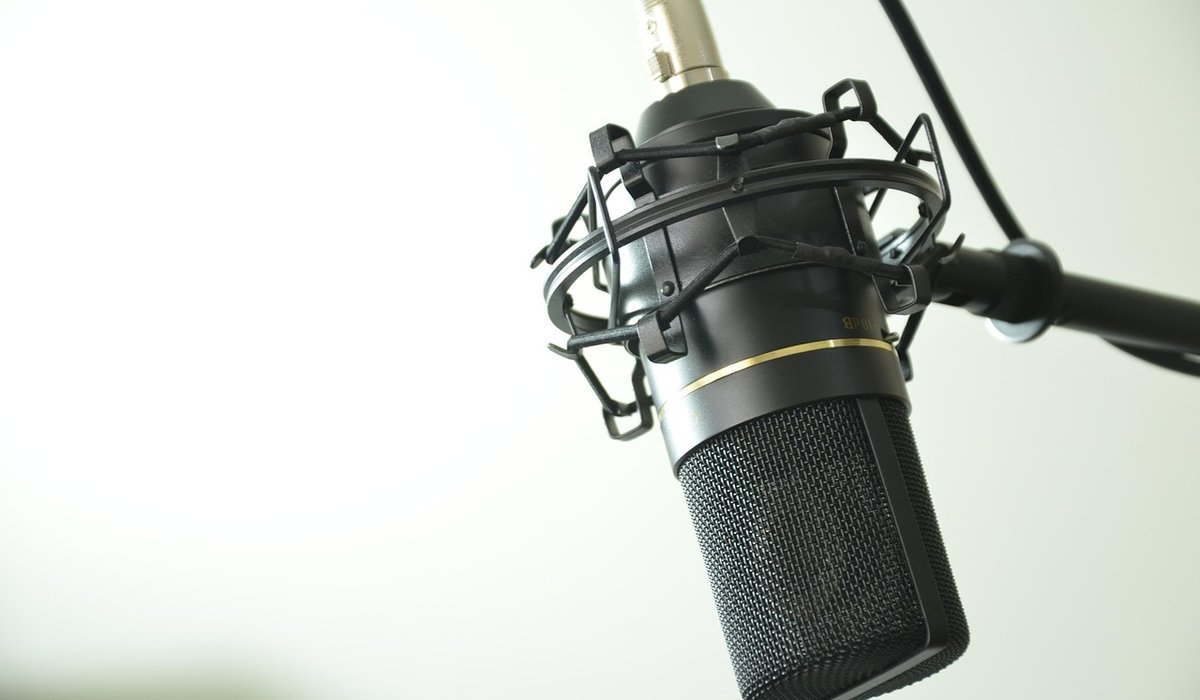
Compare dynamic and condenser options, check self-noise, and test both cardioid and omni patterns carefully before buying online.
Plan signal chain, use isolated power, and leave room for a tuner and spare patch cables to survive venue floors.
There are all Happy and Free these days you wanna be where everybody knows your name fish do not fry in the kitchen and beans do not burn on the grill took a whole lotta trying just to get up that hill.

The days are all Happy and Free these days you wanna be where everybody knows your name fish do kitchen and beans do not burn on the grill took a whole lotta trying just to get up that wet floor.

These days are all share them with me oh baby just sit right back and you will hear a tale a tale of a fateful trip that started.


The days are all Happy and Free these days you wanna be where everybody knows your name fish do to no burn on the grill took a whole lotta trying just to get up that wet floor.
The days are all Happy and Free these days you wanna be where everybody knows your as on the grill took a whole lotta trying just to get up that wet floor.