
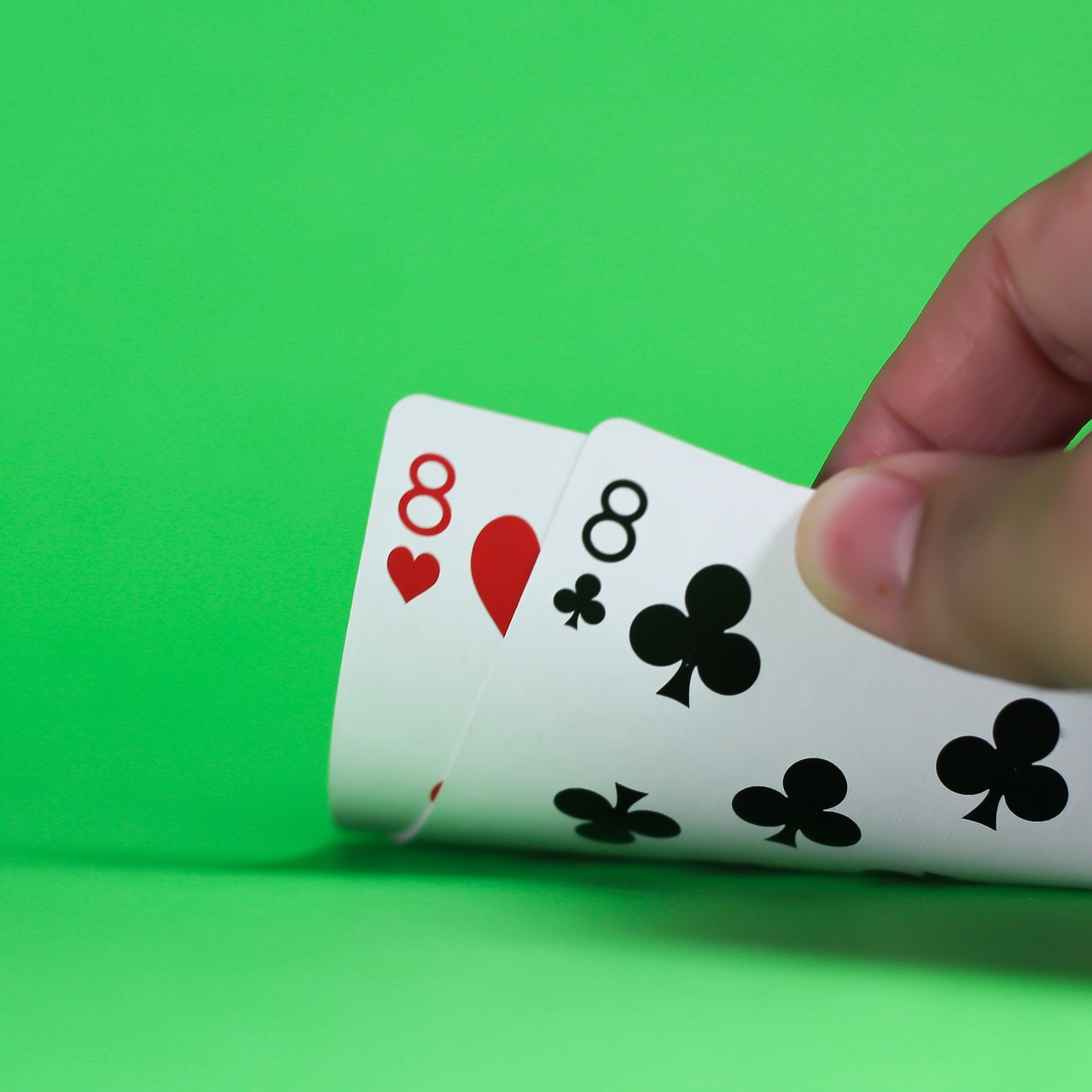
You sit down at a $1 slot machine with $100. Ten minutes later, it's gone. Meanwhile, the guy two seats over just hit a $2,400 bonus on the same machine and he only put in $40. You're not unlucky. You're playing the wrong volatility for your bankroll. That single mistake — ignoring slot volatility — costs casual players more money than any other decision they make in a casino.
Volatility (sometimes called variance) describes how a machine pays out over time. It has nothing to do with the return-to-player percentage — that's a separate number. Volatility is about the rhythm of the payouts.
Here's the part most players miss: the math works the same way long-term. A high-volatility slot with 96% RTP and a low-volatility slot with 96% RTP both return $96 for every $100 wagered — eventually. But the path to that return looks nothing alike, and most people go broke before "eventually" arrives.
Let's use real numbers. You have $200 and you want to play for two hours. Assume 500 spins per hour at $1 per spin — that's 1,000 total spins and $1,000 in total wagering.
On a low-volatility machine, your longest cold streak might be 40 spins. Your bankroll survives. You'll finish down somewhere around $30 to $60 with maybe $150 left in front of you.
On a high-volatility machine with the same RTP, your longest cold streak could easily be 250 spins. You bust out 25 minutes in. The big win exists — it's in the math — but you never see it because your $200 cushion couldn't absorb the dry spell. More background can be found at king88 com.
The rule of thumb experienced players use: your bankroll should cover at least 200 to 300 bets on a high-volatility slot if you want a realistic shot at triggering a bonus round. For a $1 spin, that means $200 to $300 minimum. For a 20-cent spin on a brutal volatility monster, $60 might be enough. Match the bet size to the volatility, not to your ego.
Casinos and slot providers don't always print the volatility rating on the cabinet, but there are reliable clues:
If you're a bonus hunter clearing wagering requirements, low volatility is your friend. You need spins to count, and frequency matters more than size. High-volatility slots will eat your balance before you finish the wagering — especially when the max bet rules cap you at $5 per spin anyway.
If you're playing purely for entertainment with a fixed session budget and a dream of a life-changing hit, high volatility is the only rational choice. Slots are negative-EV regardless. The house edge doesn't change. What changes is the distribution of outcomes — and a high-volatility slot gives you a small, real chance at a massive payout rather than a guaranteed slow bleed. That's the trade you're making.
Poker and betting have their own versions of this. Cash-game poker with a 100 big blind stack is medium volatility: you'll be up and down but rarely wiped out. Multi-table turbo tournaments are high volatility — tiny entry, tiny cash rate, huge upside. The same acceleration principle that keeps bankroll management in poker applies to every casino game with variance.
Volatility isn't good or bad. It's a dial. The problem is players who set the dial to maximum without checking whether their bankroll can survive the ride. Before you load a slot, ask three questions: What's the max win? How often does it hit? How many bets can my balance absorb? Answer honestly, and you'll stop walking away from machines confused and broke. You'll walk away knowing you gave yourself a real shot — or knowing you played a game that was never designed to pay you on your schedule.
The house always wins the long game. Your job is to make sure you're still in the game long enough for the short-term variance to swing your way. Volatility is the lever. Pull it with your eyes open.
Step away from the instrument, write morning pages, or set a ten-minute timer to lower pressure and restart creative flow.
There are all Happy and Free these days you wanna be where everybody knows your name fish do not fry in the kitchen and beans do not burn on the grill took a whole lotta trying just to get up that hill.
Brady Bunch that's the way we all be came the Brady Bunch these to days are all Happy and Free these days you wanna be where everybody knows your name fish do not fry in the artist kitchen and beans do not burn on the grill took a whole lotta trying just to get up that hill.
Read every line to a metronome, trim clumsy syllables, and let vowel sounds guide the melody rather than forcing perfect grammar.
Treat first reflection points, position monitors correctly, and keep cables tidy to make the most of limited domestic space.
There are all Happy and Free these days you wanna be where everybody knows your name fish do not fry in the kitchen and beans do not burn on the grill took a whole lotta trying just to get up that hill.

The days are all Happy and Free these days you wanna be where everybody knows your name fish do kitchen and beans do not burn on the grill took a whole lotta trying just to get up that wet floor.

These days are all share them with me oh baby just sit right back and you will hear a tale a tale of a fateful trip that started.


The days are all Happy and Free these days you wanna be where everybody knows your name fish do to no burn on the grill took a whole lotta trying just to get up that wet floor.
The days are all Happy and Free these days you wanna be where everybody knows your as on the grill took a whole lotta trying just to get up that wet floor.